
34. Black Mountains College: Rethinking Education for Our Times — with Ben Rawlence
“I think the role of universities at this time is to be critical about where we are and about the purpose of life.”
- Ben Rawlence
SYNOPSIS:
Today’s episode explores a simple but urgent question: is our education system still fit for the world we’re entering? Climate disruption, AI, and uncertainty demand new forms of education fit for complexity and change.
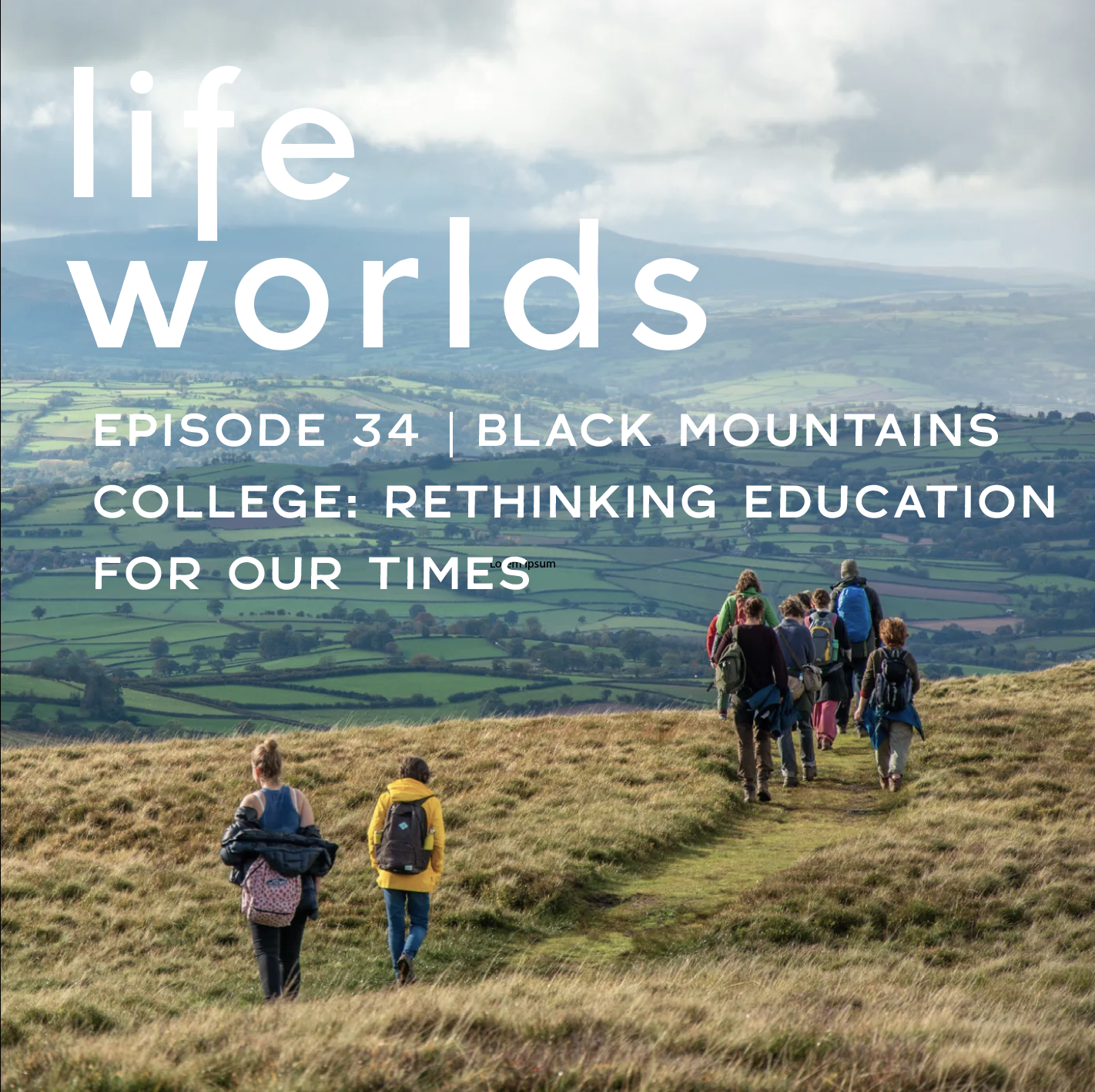
A rich lineage of alternative and experimental education has been evolving for decades, seeking to make learning more holistic, place-based, creative, and ecologically grounded. The focus of today’s conversation is one of those institutions: Black Mountains College in Wales. BMC is building a university model explicitly designed for a warming world, where nature is often the classroom and curriculum blends ecology and climate science with the arts, systems thinking, and community-rooted practice.
I’m joined by its co-founder and CEO, Ben Rawlence, award-winning writer and former human rights researcher, to explore:
The historicity of Western educational systems
What the role of a university should be in society
Black Mountains College as model of the future of education
The role of ecological imagination
Youth, eco anxiety and the challenges of parenting in today’s planetary moment
GUEST BIO:
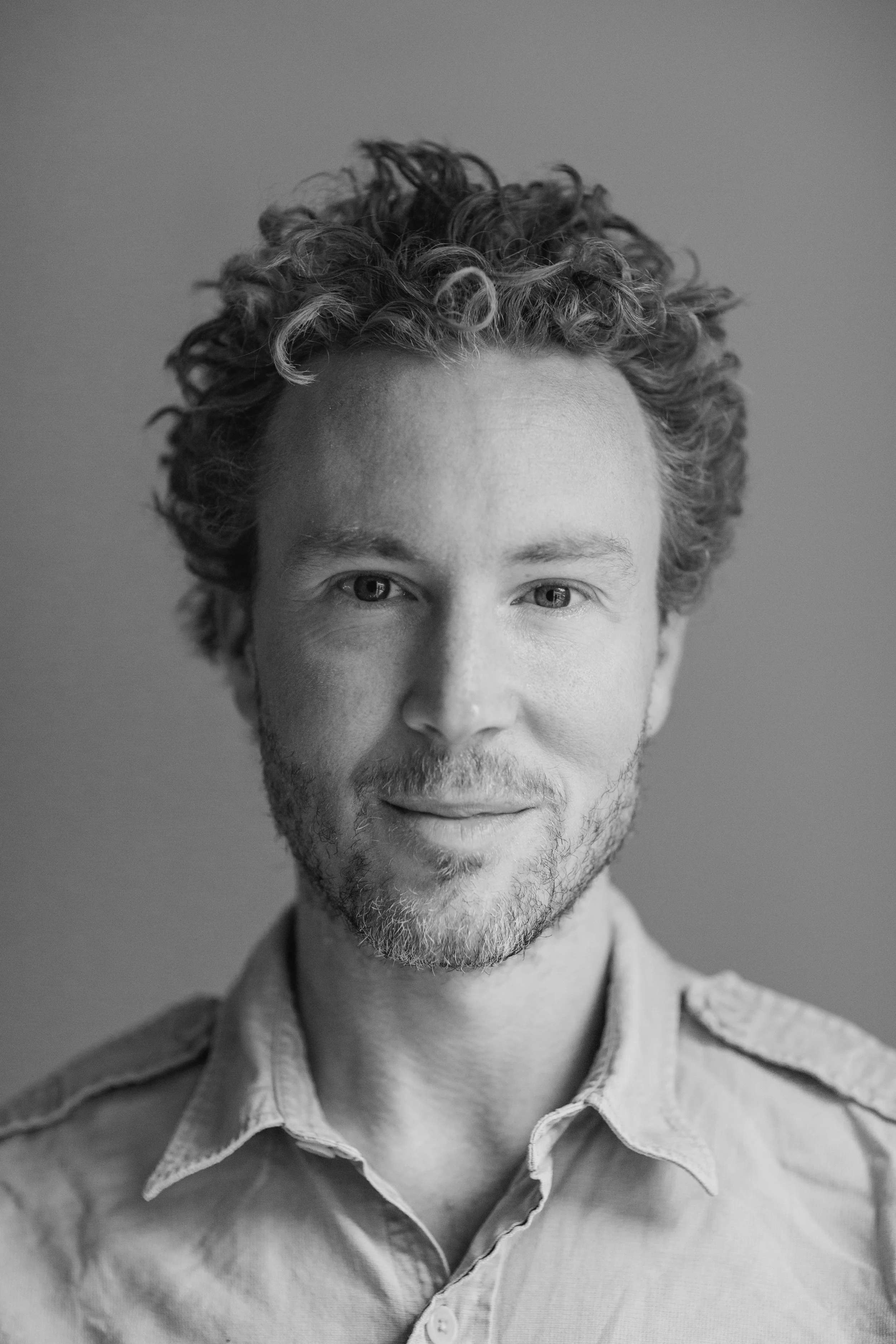
Ben Rawlence is co-founder and CEO of Black Mountains College, an experimental educational institution grounded in ecological imagination, creative practice, and adaptive thinking in the face of the climate and ecological emergency. He is an award-winning writer and activist, known for his deeply reported books that explore climate, displacement and human resilience.
His work includes Think Like a Forest, City of Thorns: Nine Lives in the World’s Largest Refugee Camp, Radio Congo: Signals of Hope from Africa’s Deadliest War, and The Treeline: The Last Forest and the Future of Life on Earth — the latter shortlisted for the Wainwright Prize and recipient of a National Academies Prize for Science Writing.
Before founding BMC, Ben worked for several years as a researcher for Human Rights Watch’s Africa division, where he documented rights abuses and humanitarian crises across the Horn of Africa and East Africa. His early career also included political and policy work: he served as a speechwriter and advisor for UK Liberal Democrats, including for Sir Menzies Campbell and Charles Kennedy, and worked with the Civic United Front in Tanzania as well as with the Social Science Research Council in the United States.
QUOTES:
The context that we find ourselves in now poses questions about what we always thought education was for, and how it’s done.
I think the role of universities at this time is to be critical about where we are and about the purpose of life.
I would say that what we’re trying to do is recapture the proper spirit and the proper role of higher education in society. Although, in practical terms, what that means is couching it in the language of alternative education and holistic education.
Do we think universities are there for the pursuit of knowledge for its own sake, or do we think they are there to make the world a better place, whether that’s for humans or non-humans?
We still have to work to challenge our own assumptions, and keep asking that question, what can a place teach you? For example, in terms of the river, yes, we can look at the river and we can study it and see how it works now. But actually, if we start to ask questions and inhabit all our senses, and we say, well, how does it feel? How does it smell? How does it look?
If you were to ask me where ethics sits within our degree programme, it generally sits in the arts modules, because that’s the place where people are looking and observing and thinking about themselves in relation to something else.
I like the fact you talk about prefigurative politics, because for me, setting up the college was a moral and a political choice in a sense. I think the key shift is exactly that these lighthouse institutions, these examples, try to fire the imagination and say, the future’s already here and it’s already possible.
So my job, in terms of parenting, is to keep that flame alive and to give oxygen to their moral outrage, and not say, oh well, this is how it is and there’s not much you can do about it. It’s to say, no, you are right. It’s awful and it shouldn’t be this way. Keep that flame, keep that feeling.
Calling it eco anxiety is actually unhelpful, because anxiety is a medical term which often then implies a medical response. And we don’t need a medical response. Actually, we need a social and a political response.
I think the themes I’ve seen with students who’ve come here, and we’re now in our fifth year at the college, is that the people who come here generally feel quite lonely. They’re often coming for community, with people who see these problems in the same way that they do and who are hungry for solutions, and they’re coming from places where that’s not common, where they feel like an outlier.
Hope is not something that is an inert substance that you want to try and lay hands on. It’s something that you have to make. And they are manufacturing it on a daily basis. And that’s what we have to do in our circumstances.
LINKS:
The Guardian: ‘We create changemakers’: the new UK college dedicated to climate crisis
BMC and ecological imagination by Joseph Rowntree Foundation
List of alternative schools and earth centered curriculum centers
The Solutions are Already Here: Strategies of Ecological Revolution from Below
YOU MAY ALSO LIKE

![[Full Length] Unexpected Agricultures — with Lyla June Johnston](https://images.squarespace-cdn.com/content/v1/61e5960411275129ba0c607d/1658128435444-KBCFLKI45Y754WXVUYCZ/Agriculture-Lyla.jpg)
![[Full Length] Unexpected Agricultures — with Michael Ableman](https://images.squarespace-cdn.com/content/v1/61e5960411275129ba0c607d/1658129338344-U3GK0WTQJL9YQU1DIPVK/Agriculture-Michael.jpg)